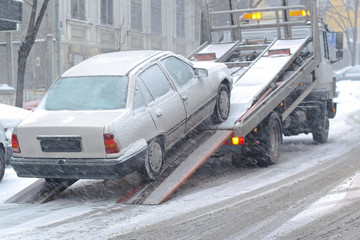
Georgia’s diverse weather conditions create unique challenges that significantly impact towing and roadside assistance. From freezing cold temperatures to high winds, a wide range of weather conditions increase the need for emergency roadside service.
Winter weather is the biggest challenge for towing, with ice and snow making roads slippery and reducing visibility. Strong winds can also affect the stability of towed vehicles, especially those with taller loads. Contact Towing Service Colorado Springs for more details.
Rain
Rain can make the roads slippery, leading to accidents and reducing traction. Towing vehicles may need specialized equipment to handle such conditions. The roads are also likely to be flooded, which can trap vehicles and lead to additional safety hazards. If you are stranded in the rain, move to a safe place and turn on your hazard lights to alert passing traffic. Avoid inspecting your vehicle in these conditions unless it is safe to do so, and wait for a professional towing service to arrive.
In addition to reducing visibility, rain can also reduce the effectiveness of road signs and lane markings. This can increase the risk of collisions, particularly for drivers in unfamiliar territory or with a new vehicle. If you find yourself stuck on the side of the road during a rainstorm, it is best to pull over onto the hard shoulder or a safer location. You should also stay inside the vehicle and use your hazard lights to ensure that other drivers can see you, especially if it is dark outside. Having the phone number of a trusted towing service on hand can save you a lot of stress in these situations. You can find such information through many sources, including credit card companies, auto manufacturers, and standalone roadside assistance plans. You can even add roadside assistance coverage to your auto insurance policy for a small monthly fee.
Fog
Fog significantly reduces visibility, making roads hazardous for drivers. It also makes it easier to misjudge distances between vehicles, resulting in accidents and vehicle breakdowns. Roadside assistance providers must be prepared for this type of weather and operate in tandem with local emergency services, promoting a coordinated response to road-related incidents.
Towing trucks are equipped for a range of conditions, from rain and snow to high winds. Despite this, bad weather adds an additional layer of complexity to every job. This is especially true when dealing with snow or ice, as the physics of driving and towing are altered by these conditions. This can lead to delays as operators must be cautious and slow when operating, ensuring that their trucks and the vehicles they’re towing are safe.
It’s also important for towing companies to keep up with local laws regarding rotator towing during adverse weather conditions. Additionally, routine equipment inspections are essential to preparing for difficult weather, as temperatures can affect the functionality of metal components. For example, hot weather can cause tyres to lose pressure due to expansion as they heat up, so it’s important to regularly check and maintain tyre pressure in this situation. Also, extended idling in direct sunlight can increase engine temperature and contribute to mechanical failures. Having a reliable roadside assistance partner like Dean’s means you’re always ready for the unexpected.
Snow
Winter snow, ice, and cold weather create dangerous road conditions, increasing the need for towing services. This exploration looks at how these conditions impact vehicles and towing trucks, and offers tips for safe and effective operation.
The first challenge is reduced visibility. Snow and fog reduce drivers’ ability to see lane markings, road signs, and other vehicles. This increases the risk of accidents and makes it difficult to identify safe places to pull over. It’s also important to use caution when driving on slippery surfaces and to maintain a lower speed to avoid hydroplaning.
Heavy loads pose another issue. Towing companies must have specialized equipment like chains and recovery mats to gain traction on snowy roads, and they should know how to properly load, secure, and transport vehicles in winter weather. They should also be familiar with local regulations on rotator towing in snow and ice.
Seasonal changes are common causes of traffic jams and vehicle breakdowns. Winter snow and ice make roads slippery, while spring rains and summer heat cause overheating and tire blowouts. Fall leaf piles and early frost can also obscure road lines and make surfaces slick. Understanding these seasonal hazards can help drivers anticipate problems and take proactive measures to prevent them from requiring roadside assistance. By monitoring the weather forecast frequently and adjusting travel plans accordingly, drivers can stay safer on the road.
Ice
Snow and ice make roads slippery, increasing the risk of accidents. Cars may slide off the road or collide with obstacles, necessitating a prompt and efficient response from towing services to clear the scene.
Ice also obstructs visibility, making it difficult to see other vehicles or road signs. This can lead to dangerous situations, especially when a hidden hazard like a pothole or icy patch is encountered on a highway. In these cases, a quick call to a towing service can ensure the driver and passengers are transported safely to an auto body shop or repair center.
In addition to reducing road traction, snow and ice can cause issues with traditional towing equipment. For example, hydraulic components may freeze up and jackknifing is more likely to occur when trailer brakes are not properly adjusted. Before winter arrives, take the time to adjust your trailer brakes and test them in a controlled environment to improve stability on icy roads.
To prepare for winter, check the weather forecast before driving and consider taking your trip at a different time of day when roads are more likely to be safe. Also, keep a well-stocked emergency kit in your vehicle, including blankets, a snow shovel, de-icer, and extra windshield washer fluid. Finally, remember to keep your gas tank full and turn on your hazard lights when stopped on the side of the road.
High Winds
Heavy winds create a variety of challenges during towing, especially with higher-profile vehicles like trucks, SUVs, and trailers. High winds can cause a vehicle to shift and become unstable, increasing the risk of accidents during the towing process. Also, strong wind gusts can push the towing vehicle and towed vehicle out of their lanes of travel, posing a serious safety hazard for drivers and other motorists. If possible, try to position a towed vehicle in a low-profile area to minimize the impact of windy conditions.
Weather impacts towing more than you might think. From fog reducing visibility to ice making roads slippery, bad weather can quickly turn a simple tow into a dangerous one. Towing professionals need to be prepared for these hazards and have a clear understanding of emergency protocols to mitigate risks and avoid accidents during adverse weather events. They should also document pre-trip inspections and weather conditions to provide valuable information in the event of a liability claim. With proper training and equipment, towing companies can handle any weather condition safely and efficiently. Keep reading to learn more about how towing operators manage weather-related risks in their daily operations.
Heat
Whether it’s rain, fog, snow, or extreme heat, severe weather conditions can significantly impact roadside assistance and vehicle operations. From reducing visibility to slippery surfaces, inclement weather can make an already challenging job even more difficult. It’s important for drivers to understand the unique challenges of different weather conditions so that they can be more proactive about preparing and taking extra precautions when driving or calling for roadside assistance.
Heavy rain and flooding create hazardous roads and increase the likelihood of accidents and breakdowns. These conditions can also cause vehicles to become stuck or submerged in floodwaters, which require emergency towing services to recover and ensure the safety of their occupants. Thunderstorms, meanwhile, pose additional risks by resulting in downed trees and power lines. Towing operators must be well-informed about safe locations to wait out thunderstorms and know how to handle equipment safely in these conditions.
Extreme temperatures can impact the performance of vehicles and equipment by causing them to overheat or freeze. Towing professionals should ensure that their vehicles and equipment are well-maintained and inspected before engaging in operations during extreme temperatures. Additionally, they should plan ahead by locating adequate cooling and heating systems to minimize the impact of harsh temperatures on their operations. In addition, they should always keep a close eye on weather forecasts and adjust their plans accordingly. This can help them provide safer and more effective assistance when needed.